Seeing Through the Supply Chain: How Sourcing Transparency Gives Independent Retailers a Competitive Edge

Photo: Ministry of Railways, GODL-India, via Wikimedia Commons
For years, supply chain visibility was treated as an operational concern — something logistics managers cared about, not marketing directors. That separation is collapsing. Across retail categories from specialty food to apparel to home goods, the story of where a product comes from and how it was sourced has become as commercially relevant as the product itself.
This shift is creating an unexpected opportunity for independent and direct-to-market retailers. While major chains have the scale to invest in sophisticated traceability infrastructure, a new generation of B2B commerce platforms is democratizing access to the visibility tools that make supply chain transparency possible — and actionable — for businesses operating at a fraction of that scale.
Why Transparency Has Moved from Niche to Necessity
The demand for sourcing transparency didn't emerge in a vacuum. A series of high-profile product safety incidents, growing consumer concern about labor practices, and increased regulatory scrutiny of import supply chains have collectively shifted expectations across the American retail market. According to research from the Food Marketing Institute, more than 75 percent of US consumers say they want more information about the products they purchase, including where they were made and under what conditions.
For independent retailers, this represents a double-edged challenge. On one hand, customers are asking harder questions. On the other, the merchants who can answer those questions confidently — who can point to verified supplier certifications, documented country-of-origin data, and third-party quality audits — are finding that transparency functions as a form of brand differentiation.
A specialty grocery retailer in the Pacific Northwest, for example, built a meaningful portion of its customer loyalty around its ability to name the farms supplying its private-label products, share harvest dates, and display supplier certifications directly in-store and online. That level of specificity is not accidental — it requires sourcing relationships structured around information sharing, not just transaction execution.
The Infrastructure Gap That B2B Platforms Are Closing
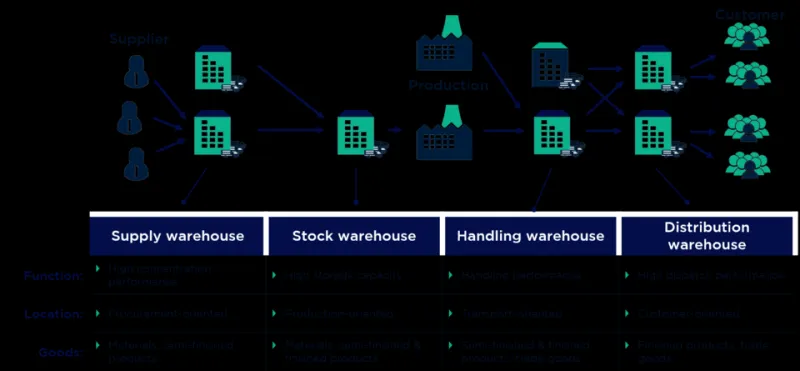
Historically, the barrier to supply chain transparency for smaller merchants has been infrastructural. Achieving meaningful visibility into your supply chain requires supplier data standards, compliance documentation workflows, and real-time inventory tracking systems that have traditionally demanded enterprise-level investment.
Modern B2B commerce platforms are restructuring that cost curve in meaningful ways. When supplier onboarding includes standardized certification uploads — organic certifications, Fair Trade credentials, domestic manufacturing attestations, safety testing documentation — that information becomes immediately accessible to every merchant in the platform ecosystem. The compliance burden that once fell entirely on the buying merchant is distributed across the platform's verification architecture.
Real-time inventory visibility operates similarly. Rather than relying on manual stock confirmations or periodic EDI updates, platform-based inventory feeds allow merchants to see current availability, production timelines, and anticipated lead times before committing to purchase orders. This matters operationally — it reduces stockouts and over-ordering — but it also matters commercially, because a merchant who knows exactly what's in stock and when it will ship can make and keep promises to their own customers with confidence.
Differentiation Against the Big-Box Playbook
One of the persistent challenges facing independent retailers is the perception that large chains offer superior product assurance simply by virtue of their scale. The implicit assumption is that a national retailer's vendor compliance program is more rigorous than anything a small merchant could replicate.
That assumption is increasingly worth challenging. Large chains manage supplier compliance at volume, which often means standardized audits that may miss category-specific nuances. An independent specialty retailer who has personally visited a supplier's facility, reviewed their certifications in detail, and built a direct sourcing relationship can offer a quality of assurance that a mass-market chain's vendor compliance checklist cannot replicate.
The key is being able to communicate that assurance in ways customers find credible. This is where transparency infrastructure pays commercial dividends. When a retailer can display a supplier's third-party certifications on a product page, share sourcing documentation with a wholesale buyer, or respond to a customer inquiry with specific, verifiable information, the depth of that relationship becomes visible — and valuable.
For merchants selling into B2B channels, this dynamic is equally relevant. Procurement managers at hotels, restaurants, corporate facilities, and healthcare institutions are increasingly requiring supplier transparency documentation as part of their vendor qualification process. Independent merchants who can meet that standard — who can produce traceability records and compliance documentation on demand — gain access to commercial accounts that would previously have defaulted to larger, more established distributors.
Building Transparency Into Your Sourcing Strategy
Leveraging supply chain transparency as a competitive tool requires intentionality at the sourcing stage. It is not sufficient to retroactively request documentation from existing suppliers. The merchants who use transparency most effectively build disclosure requirements into their supplier evaluation criteria from the outset.
Practically, this means prioritizing suppliers who maintain current third-party certifications, who can provide country-of-origin documentation for all components, and who are willing to participate in platform-based inventory and compliance systems. It also means being selective about the categories where transparency claims carry the most commercial weight — typically those where product provenance, safety, or ethical sourcing directly influences purchasing decisions.
For merchants operating in categories like organic food, sustainable apparel, or domestically manufactured goods, the transparency premium — the price differential that customers will pay for a verified, story-backed product — can be substantial. Research from Nielsen has consistently shown that US consumers demonstrate willingness to pay more for products whose claims they can verify, with premiums ranging from 5 to 20 percent depending on category and claim type.
Transparency as a Long-Term Strategic Asset
The retailers who are building durable market positions in today's competitive landscape are not competing on price alone. They are competing on trust — and supply chain transparency is one of the most concrete, verifiable forms of trust a merchant can offer.
As regulatory requirements around product traceability continue to tighten — particularly in food, apparel, and electronics — the merchants who have already built transparency into their sourcing infrastructure will find compliance straightforward. Those who have not will face both the cost of retroactive documentation and the reputational exposure of gaps that regulators and consumers alike are increasingly motivated to find.
At CommerceTop, the connection between merchant credibility and supplier quality is central to how we think about B2B trade. Visibility into the supply chain is no longer a luxury feature for large enterprises — it is a foundational capability for any merchant serious about competing in today's market. The platforms and partnerships that make it accessible are available now. The question is which merchants will move first to make it part of their competitive identity.